Solar energy has become one of the most important renewable energy sources in the world today. With increasing concerns about climate change, rising electricity costs, and the need for sustainable power solutions, solar technology continues to advance rapidly. Recent innovations in solar panels and inverter design are making solar systems more efficient, smarter, and easier to use. These improvements are helping solar energy become a reliable option for homes, businesses, and large power networks.
Advancements in Solar Panel Technology
Traditional solar panels were mainly made using silicon cells, which, although effective, had limitations in efficiency. Today, modern solar panels use advanced cell designs that capture more sunlight and convert it into electricity more effectively. Multi-layered and high-efficiency cells allow panels to generate more power even in low-light conditions such as cloudy weather or early mornings.
Another major innovation is the development of flexible and lightweight solar panels. Unlike rigid panels, these can be installed on curved surfaces, vehicles, and portable equipment. Building-integrated solar technology is also gaining popularity, where solar panels are incorporated into windows, rooftops, and walls. This not only saves space but also improves the appearance of buildings while producing clean energy.
Evolution of Solar Inverter Design
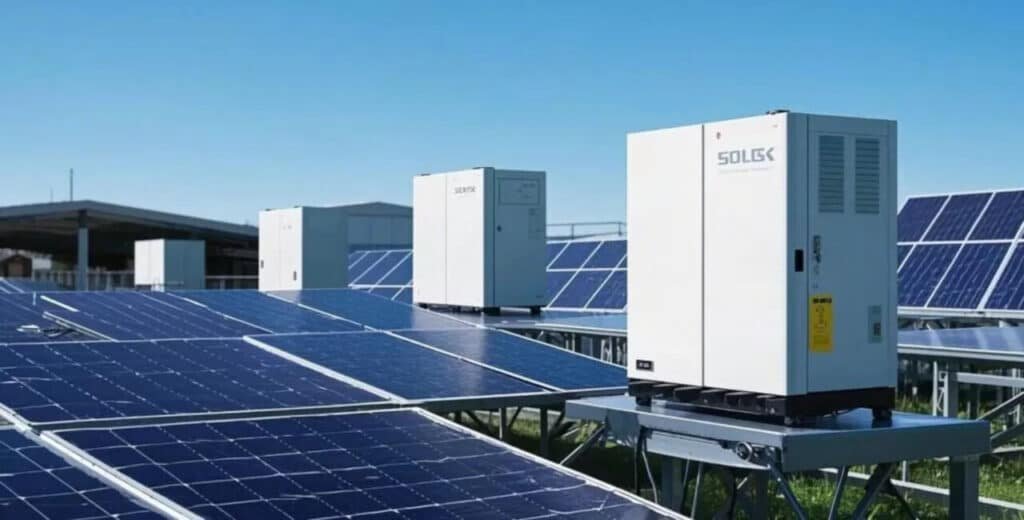
Solar inverters play a critical role in any solar power system. They convert the direct current (DC) electricity produced by solar panels into alternating current (AC), which is used by household appliances and the electrical grid. Modern inverter designs go beyond basic power conversion and include advanced features that improve performance and safety.
Smart inverters are one of the most significant advancements in this field. These inverters can automatically adjust their operation based on sunlight availability, energy demand, and grid conditions. Some inverters use intelligent software to optimize power output and reduce energy loss. This ensures that the system operates efficiently throughout the day.
Connectivity, Monitoring, and Control
One of the key features of modern solar inverters is internet connectivity. Through mobile applications or online dashboards, users can monitor their energy production in real time. This allows system owners to track performance, identify issues quickly, and better understand their energy consumption patterns.
Remote monitoring also helps in maintenance. If a fault occurs, the system can alert the user or service provider immediately, reducing downtime and repair costs. These features make solar systems more user-friendly and reliable.
Improved Materials and Power Electronics
Recent innovations in power electronics have significantly improved inverter efficiency. New semiconductor materials help reduce energy losses during conversion and allow inverters to operate at higher power levels. These improvements make inverters more compact, durable, and capable of handling modern energy demands.
Better cooling technologies have also been introduced to protect inverters from overheating. Efficient thermal management increases the lifespan of the equipment and ensures stable operation in hot climates.
Integration With Energy Storage and Smart Grids
Energy storage is becoming an essential part of solar power systems. Modern inverters are designed to work seamlessly with battery storage solutions, allowing excess energy to be stored for use at night or during power outages. This increases energy independence and reliability.
Inverters also support smart grid integration by helping balance electricity supply and demand. They can respond to grid signals and adjust output accordingly, improving overall grid stability.
Conclusion
The latest innovations in solar technology and inverter design are transforming the way we produce and use electricity. High-efficiency solar panels, intelligent inverters, advanced materials, and smart energy management systems are making solar power more accessible and dependable than ever before. As technology continues to evolve, solar energy will play a vital role in building a cleaner and more sustainable future.
Frequently Asked Questions (FAQ)
1. What is the function of a solar inverter?
A solar inverter converts the electricity generated by solar panels into usable power for homes and the electrical grid.
2. What is a smart solar inverter?
A smart inverter can monitor system performance, communicate with the grid, and optimize energy output automatically.
3. Are modern solar panels more efficient?
Yes, newer solar panels use advanced technologies that allow them to produce more electricity with less sunlight.
4. Can solar systems work at night?
Solar panels do not produce electricity at night, but systems with battery storage can supply power using stored energy.
5. Why is inverter cooling important?
Proper cooling prevents overheating, improves performance, and extends the lifespan of the inverter.