Solar Technology ::: Solar power is rapidly transforming from an alternative energy source into a mainstream solution for homes, businesses, and industries worldwide. While solar panels often receive the most attention, the inverter is the true powerhouse behind every solar energy system. As technology advances, inverters are becoming smarter, more durable, and significantly more efficient—playing a crucial role in shaping the future of renewable energy.
In this article, we explore how next-generation solar inverters are revolutionizing the way we produce, manage, and consume clean energy.
Why Inverters Matter in Solar Systems
Solar panels generate electricity in the form of direct current (DC). However, most household appliances and electrical grids operate on alternating current (AC). The inverter bridges this gap by converting DC power into usable AC electricity.
But modern inverters do much more than simple conversion. Today’s advanced systems monitor energy production, enhance safety, manage grid interaction, and optimize overall system performance. In many ways, the inverter acts as the “brain” of the entire solar setup.
Smarter Inverters for a Smarter Energy Future(Solar Technology)
One of the most significant developments in solar technology is the rise of smart inverters. These intelligent systems use advanced software, digital monitoring tools, and communication capabilities to improve efficiency and reliability.
Key Smart Capabilities Include:
- Real-time system monitoring via mobile apps or web portals
- Remote diagnostics and troubleshooting
- Automatic detection of faults or irregular performance
- Grid communication and voltage regulation
- Performance optimization using data analytics
With these features, homeowners and businesses can track energy production instantly and respond quickly to any issues. In the future, artificial intelligence (AI) and machine learning will allow inverters to predict maintenance needs before problems occur—reducing downtime and saving costs.
Built Stronger for Harsh Environments(Solar Technology)
As solar systems are installed in increasingly diverse environments—from hot deserts to coastal regions—durability has become essential. Modern inverters are designed to withstand extreme weather conditions and temperature fluctuations.
Today’s advanced models offer:
- High IP ratings for dust and water resistance
- Improved thermal management systems
- Extended operational lifespans of 10–15 years or more
- Advanced surge and overload protection
These improvements ensure stable performance even under challenging conditions, making solar energy more dependable than ever.
Higher Efficiency, Greater Energy Output(Solar Technology)
Efficiency plays a major role in maximizing solar system performance. Even small improvements in inverter efficiency can significantly increase the amount of usable electricity generated.
Modern inverters now achieve conversion efficiencies of over 98%, thanks to innovations such as:
- Advanced Maximum Power Point Tracking (MPPT)
- High-frequency switching technology
- Reduced conversion losses
- Optimized energy flow management
These advancements ensure that more solar energy is captured and converted into usable power, ultimately improving return on investment.
The Growth of Hybrid and Battery-Ready Inverters(Solar Technology)
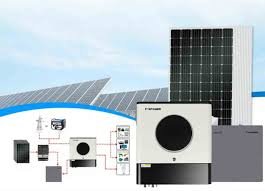
Energy storage is becoming increasingly important as more people seek independence from traditional power grids. Hybrid inverters are leading this transition by integrating solar production with battery storage systems.
Hybrid inverters allow users to:
- Store excess solar energy for later use
- Access backup power during outages
- Reduce electricity bills by optimizing usage
- Balance energy between solar panels, batteries, and the grid
As battery technology becomes more affordable, hybrid inverters are expected to become the new standard in residential and commercial solar systems.
Supporting the Smart Grid Revolution(Solar Technology)
With the rapid growth of renewable energy sources, grid stability is becoming more complex. Future inverters will play an essential role in supporting modern smart grids.
Advanced grid-support features include:
- Voltage and frequency regulation
- Reactive power management
- Automatic disconnection during grid faults
- Bidirectional power flow for energy export
This allows solar systems to actively contribute to grid stability rather than simply generating electricity.
Integration with Smart Homes and EV Charging
The future of solar inverters goes beyond energy conversion. They are increasingly becoming central hubs in connected energy ecosystems.
Next-generation inverters can integrate with:
- Smart home automation systems
- Energy management platforms
- Electric vehicle (EV) charging stations
- IoT-enabled devices
This connectivity enables smarter energy use, real-time consumption tracking, and better cost savings.
What Lies Ahead?
Looking forward, solar inverters will likely include:
- AI-powered self-optimization
- Enhanced cybersecurity systems
- Modular and scalable designs
- Blockchain-based energy trading capabilities
- Even higher efficiency standards
As innovation continues, inverters will remain at the center of the renewable energy revolution.
Frequently Asked Questions (FAQs)
1. What is the main function of a solar inverter?
A solar inverter converts DC electricity generated by solar panels into AC electricity used by homes and businesses.
2. How long does a solar inverter last?
Most modern solar inverters last between 10 and 15 years, depending on quality, usage, and environmental conditions.
3. What is a hybrid inverter?
A hybrid inverter combines solar power conversion and battery management in one unit, allowing energy storage and backup functionality.
4. Are smart inverters worth it?
Yes. Smart inverters provide real-time monitoring, better efficiency, improved safety, and grid support capabilities, making them highly beneficial.
5. How efficient are modern solar inverters?
Many modern inverters operate at efficiency levels above 98%, minimizing energy loss during conversion.
6. Can solar inverters work during a power outage?
Standard grid-tied inverters shut down during outages for safety reasons. However, hybrid inverters with battery storage can provide backup power.