
The solar inverter is the central hub of your solar power system—responsible for converting the DC electricity your panels generate into usable AC power. Even if your solar panels are high quality and perfectly installed, a poorly maintained inverter can significantly reduce your system’s energy output.
To keep your solar setup running at peak performance, regular inverter maintenance is essential. Here are the top tips to help you extend the life of your inverter and maximize your solar energy production.
🌞 1. Keep the Inverter Clean
Dust and dirt may seem harmless, but they can hinder airflow and lead to overheating.
Maintenance tips:
- Wipe the inverter’s exterior with a dry cloth every few months.
- Keep the surrounding area dust-free and uncluttered.
- Avoid using water, cleaning sprays, or wet cloths directly on the device.
A clean inverter runs cooler and more efficiently.
🌬️ 2. Ensure Proper Airflow and Ventilation
Solar inverters generate heat while operating. Without proper ventilation, they become less efficient or may shut down.
What to do:
- Install the inverter in a shaded, well-ventilated location.
- Leave at least a foot of clearance around the device.
- Avoid storing items close to or on top of the inverter.
Good airflow helps maintain stable, long-term performance.
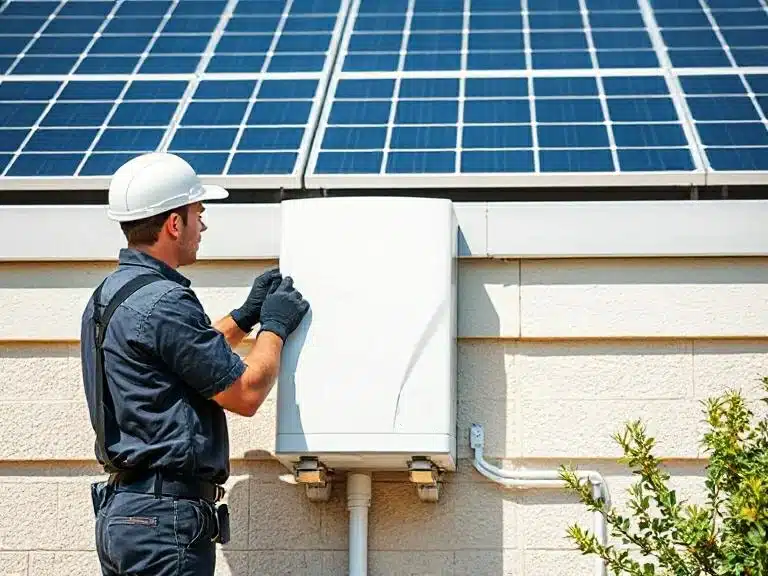
🔎 3. Regularly Check for Warning Lights or Error Codes
Modern inverters are designed to alert you when something is wrong.
Look for:
- Red or flashing warning lights
- Fault codes on the display
- Unexpected drops in energy output
Addressing minor warnings early prevents major system failures later.
📱 4. Monitor Output Through Apps or Online Portals
Most modern inverters offer remote monitoring tools. These provide a clear snapshot of your system’s health.
Why monitoring helps:
- Track daily and monthly performance
- Receive instant alerts for faults
- Identify performance drops quickly
Monitoring ensures you catch issues right when they begin, not months later.
🔌 5. Inspect Wiring and Electrical Connections
Loose or damaged wiring can disrupt power flow and reduce efficiency.
Check for:
- Corroded or loose wires
- Burn marks or discoloration
- Signs of moisture around electrical components
Important: Always hire a qualified technician for electrical inspections or repairs.
💧 6. Protect the Inverter from Moisture
Water exposure is one of the main causes of inverter damage.
Tips to prevent moisture issues:
- Install the inverter indoors or within a weatherproof enclosure.
- Ensure the area is dry and free from leaks.
- Use protective covers if installed outdoors.
Keeping the inverter dry greatly increases its lifespan.
👨🔧 7. Schedule a Professional Annual Service
Even if everything appears normal, an annual checkup keeps your system trouble-free.
A technician can:
- Test the inverter’s performance
- Inspect internal components
- Apply firmware updates
- Resolve hidden issues
Yearly servicing can boost overall system efficiency by up to 10%.
🔄 8. Update the Inverter Firmware
Some manufacturers provide firmware updates to improve system performance and fix known issues.
Benefits of updating firmware:
- Better MPPT efficiency
- Bug fixes and improved stability
- Enhanced communication with monitoring apps
Check your inverter’s app or website for available updates.
🌟 Final Thoughts
A well-maintained inverter ensures you get the maximum energy possible from your solar panels. By keeping the unit clean, properly ventilated, regularly monitored, and professionally serviced, you can maintain peak efficiency and extend the life of your entire solar power system.
Frequently Asked Questions (FAQ)
1. How often should I clean my solar inverter?
You should clean the exterior of your inverter every 3–6 months to prevent dust buildup and overheating.
2. Can I service my solar inverter myself?
Basic cleaning and visual checks are fine, but internal servicing and electrical work should always be done by a certified technician.
3. How long does a solar inverter typically last?
Most solar inverters last 8–12 years, though high-quality models and proper maintenance can extend that to 15 years or more.
4. What happens if my inverter stops working?
If the inverter fails, your entire solar system stops producing usable energy. Always check for fault codes and contact a technician if the issue persists.
5. Do inverter firmware updates really matter?
Yes. Firmware updates can improve performance, fix bugs, and help your inverter communicate more effectively with monitoring systems.
6. Why is my inverter showing lower output than usual?
Possible reasons include:
- Dirty panels
- Shading
- Wiring issues
- Overheating
- Inverter faults
Monitoring systems can help pinpoint the cause.
7. Should the inverter be installed indoors or outdoors?
Both are possible, but indoor or shaded areas are ideal to protect the device from heat, rain, and moisture.