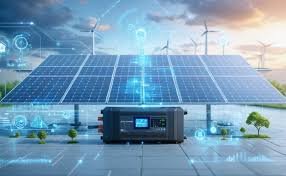
The global shift toward renewable energy has made solar power one of the most popular and reliable energy sources today. While solar panels often get the spotlight, the true performance of a solar system depends heavily on the inverter technology behind it. Advanced solar inverters are no longer simple power converters—they are intelligent systems designed to maximize energy output, improve efficiency, and ensure long-term reliability.
Why Solar Inverters Matter More Than Ever
Solar panels generate electricity in the form of direct current (DC), but most homes, businesses, and utility grids operate on alternating current (AC). Solar inverters perform the essential task of converting DC into usable AC power. However, modern inverters go far beyond this basic function. They actively manage power flow, monitor system health, and adapt to changing environmental and grid conditions.
Without an efficient inverter, even the best solar panels cannot deliver optimal performance. Advanced inverter technology ensures that every unit of sunlight captured by the panels is used as effectively as possible.
Maximizing Energy with Maximum Power Point Tracking (MPPT)
One of the key features that sets advanced inverters apart is Maximum Power Point Tracking (MPPT). Solar panel output fluctuates throughout the day due to changes in sunlight intensity, temperature, shading, and weather conditions. MPPT continuously analyzes these variables and adjusts the electrical operating point of the panels to extract the maximum available power at any given moment.
This dynamic optimization significantly increases energy production, particularly during early mornings, cloudy weather, or partial shading conditions. As a result, MPPT-equipped inverters help solar systems deliver consistent and higher energy yields over time.
Smart Inverters and Grid Interaction
Smart inverters represent a major step forward in solar technology. These inverters communicate directly with the electrical grid, responding instantly to voltage fluctuations and power demand. By regulating reactive power and stabilizing voltage, smart inverters help maintain grid reliability while reducing energy losses.
This two-way communication also allows utilities to better integrate renewable energy into the grid. For solar system owners, smart inverters mean improved efficiency, safer operation, and compliance with evolving grid regulations.
Panel-Level Optimization for Higher Output
In traditional solar setups using string inverters, the performance of the entire system can drop if one panel is underperforming due to dirt, shade, or damage. Advanced solutions such as microinverters and power optimizers address this issue by managing each panel individually.
With panel-level optimization, each module operates independently, ensuring that weaker panels do not drag down overall system output. This technology is especially beneficial for rooftops with complex layouts, partial shading, or varying panel orientations.
Real-Time Monitoring and Performance Insights
Modern inverter technology offers advanced monitoring capabilities through mobile apps and online dashboards. These platforms provide real-time data on energy production, system efficiency, and potential faults. Users can track daily output, identify performance issues early, and take corrective action before problems escalate.
This level of transparency not only improves system performance but also helps solar owners better understand and manage their energy usage, leading to greater savings and peace of mind.
Durability, Safety, and Long-Term Performance
Advanced inverters are built with enhanced cooling mechanisms, high-quality components, and robust safety features. Protections such as rapid shutdown, ground fault detection, and arc fault protection ensure safe operation and compliance with modern safety standards.
These improvements reduce wear and tear on the system, minimize downtime, and extend the lifespan of both the inverter and the solar installation as a whole.
Preparing for the Future of Energy
Today’s advanced inverters are designed to work seamlessly with battery storage systems, electric vehicles, and smart home energy management solutions. This flexibility allows solar users to store excess power, reduce reliance on the grid, and adapt to future energy needs without major system upgrades.
By investing in advanced inverter technology, solar system owners ensure their setup remains efficient, scalable, and future-ready.
Conclusion
Maximizing solar power output requires more than high-quality panels—it demands intelligent inverter technology. From MPPT and smart grid communication to panel-level optimization and real-time monitoring, advanced inverters play a critical role in unlocking the full potential of solar energy. Choosing the right inverter not only boosts energy production but also improves system reliability, safety, and long-term returns.
Frequently Asked Questions (FAQ)
1. What is an advanced solar inverter?
An advanced solar inverter is a modern inverter equipped with features like MPPT, smart grid interaction, panel-level optimization, and real-time monitoring to improve efficiency and performance.
2. How does MPPT increase solar power output?
MPPT continuously adjusts the electrical operating point of solar panels to ensure they produce the maximum possible power under varying conditions such as shading or temperature changes.
3. Are microinverters better than string inverters?
Microinverters can offer better performance in shaded or complex installations by optimizing each panel individually. However, the best choice depends on system size, budget, and installation conditions.
4. Do smart inverters help the electrical grid?
Yes, smart inverters support grid stability by regulating voltage, managing reactive power, and responding to real-time grid conditions.
5. Can advanced inverters work with battery storage?
Most modern inverters are designed to integrate easily with battery storage systems, allowing users to store excess energy for later use.
6. Is upgrading an inverter worth it?
Upgrading to an advanced inverter can significantly improve system efficiency, monitoring, safety, and long-term energy output, making it a worthwhile investment for many solar owners.