latest solar inverters Solar ; energy systems are long-term investments designed to provide clean and cost-effective power for decades. While solar panels often receive most of the attention, the inverter plays an equally critical role in determining how long and how efficiently a solar system operates. Recent advancements in solar inverter technology have significantly improved system lifespan, performance, and reliability. Understanding how modern solar inverters contribute to longevity can help homeowners and businesses make smarter energy decisions.
Advanced Power Management and Efficiency
One of the key ways the latest solar inverters extend system lifespan is through improved power management. Modern inverters are designed to convert DC electricity from solar panels into AC power with much higher efficiency than older models. By minimizing energy losses and maintaining stable voltage levels, these inverters reduce stress on electrical components. Less heat generation and smoother power conversion directly translate into longer-lasting system parts, including wiring, batteries, and connected appliances.
Smart Monitoring and Early Fault Detection
Today’s solar inverters are equipped with smart monitoring features that allow real-time system tracking. These intelligent systems continuously monitor voltage, temperature, and performance data. If an issue arises—such as shading, overheating, or component malfunction—the inverter can alert users or technicians immediately.
Early fault detection prevents minor issues from developing into major system failures. By addressing problems promptly, users can avoid long-term damage and significantly extend the operational life of their solar systems.
Improved Thermal Management
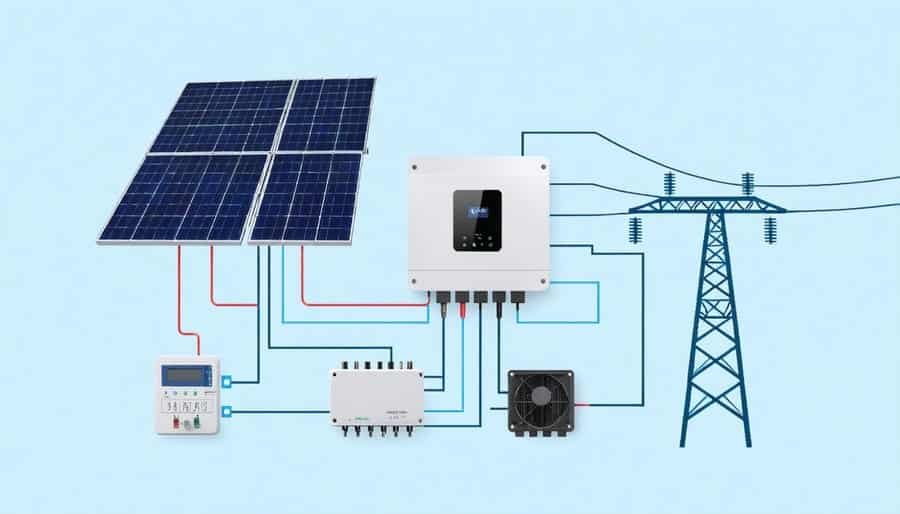
Heat is one of the biggest threats to electronic equipment. Latest-generation solar inverters use advanced cooling technologies, such as improved heat sinks, smart fans, and natural convection designs. Some modern inverters even adjust their operation based on temperature conditions.
Effective thermal management reduces internal component wear and prevents overheating, which is a common cause of inverter failure. As a result, the inverter itself lasts longer and protects the entire solar system from heat-related damage.
Better Grid Compatibility and Protection Features
Modern solar inverters are built with enhanced grid compatibility and safety mechanisms. They can adapt to voltage fluctuations, grid instability, and power surges more effectively than older units. Built-in protection features such as surge protection, anti-islanding, and short-circuit prevention safeguard the system from external electrical threats.
By shielding the system from grid-related damage, advanced inverters help maintain stable performance and extend the lifespan of both the inverter and connected solar components.
Battery Optimization in Hybrid Systems
For solar systems with battery storage, the inverter plays a crucial role in battery health. Latest hybrid and smart inverters use advanced algorithms to manage charging and discharging cycles efficiently. This prevents overcharging, deep discharging, and unnecessary battery strain.
Optimized battery management not only increases battery lifespan but also ensures consistent power availability, making the entire solar system more durable and reliable over time.
Firmware Updates and Future-Proof Design
Unlike older models, modern solar inverters support firmware updates. This means manufacturers can release performance improvements, security updates, and new features without replacing hardware. A future-proof inverter can adapt to changing energy needs, grid regulations, and technological advancements, extending its usable life and maintaining system relevance for years.
Conclusion
The latest solar inverters are more than just power converters—they are intelligent system managers that protect, optimize, and extend the life of solar energy systems. Through smart monitoring, efficient power conversion, advanced cooling, battery optimization, and built-in safety features, modern inverters play a vital role in maximizing return on investment. Choosing the right inverter is essential for anyone looking to ensure long-term performance and durability of their solar setup.
Frequently Asked Questions (FAQs)
Q1: How long do modern solar inverters last?
Most modern solar inverters last between 10 to 15 years, and some premium models can exceed this with proper maintenance.
Q2: Can a solar inverter really affect the lifespan of solar panels?
Yes. Efficient voltage regulation and power management reduce stress on panels, helping them operate more smoothly over time.
Q3: Are smart solar inverters worth the investment?
Absolutely. Smart inverters offer monitoring, protection, and optimization features that improve efficiency and extend system lifespan.
Q4: How often should a solar inverter be maintained?
Basic inspections once a year are usually sufficient, especially if the inverter includes remote monitoring.
Q5: Do firmware updates improve inverter performance?
Yes. Firmware updates can enhance efficiency, fix bugs, and add new features, helping the inverter stay effective for longer.