Solar Inverters Explained: How to Choose a Reliable Provider for Long-Term Savings :: As solar energy continues to grow in popularity, more homeowners and businesses are investing in clean, renewable power. While solar panels often take center stage, the real backbone of any solar system is the solar inverter. It plays a crucial role in converting energy and ensuring your system operates efficiently. Choosing the right inverter—and a trustworthy provider—can make a significant difference in your long-term savings and overall system performance.
Understanding the Role of a Solar Inverter
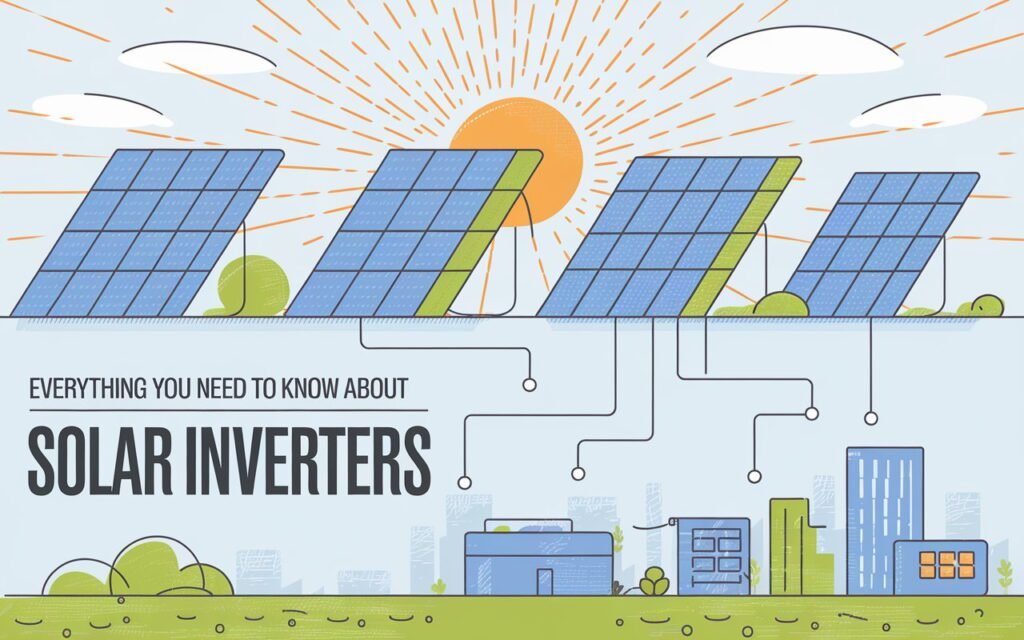
A solar inverter is responsible for converting the direct current (DC) electricity produced by solar panels into alternating current (AC), which is used to run everyday appliances. Without this conversion, the electricity generated by your panels would not be usable.
Beyond conversion, modern inverters also manage system performance, monitor energy production, and provide safety protection. In many ways, the inverter acts as the control center of your solar setup.
Types of Solar Inverters You Should Know
Before selecting a provider, it’s important to understand the different types of solar inverters available:
String Inverters
These are the most commonly used and budget-friendly option. They connect a group of panels in a series. While cost-effective, their performance can be affected if one panel underperforms.
Microinverters
Installed on each solar panel, microinverters allow individual panels to work independently. This leads to better efficiency, especially in areas with shading or uneven sunlight.
Hybrid Inverters
Hybrid inverters are designed to work with battery storage systems. They are ideal for users who want backup power during outages or plan to expand their system in the future.
Central Inverters
Typically used in large commercial or industrial projects, central inverters handle large-scale energy production efficiently.
Why the Inverter Is So Important
Many people underestimate the importance of a high-quality inverter. However, it directly affects several key aspects of your solar system:
- Energy Efficiency: A better inverter converts more solar power into usable electricity
- Durability: High-quality inverters last longer and reduce the need for frequent replacements
- System Monitoring: Advanced inverters provide real-time data and insights
- Safety: Built-in protection features help prevent electrical faults and system damage
Choosing the wrong inverter can reduce your system’s efficiency and increase long-term costs.
How to Identify a Reliable Inverter Provider
Selecting the right provider is just as important as choosing the inverter itself. Here are some key factors to consider:
Quality and Certification
Always choose providers offering certified and tested products that meet international standards.
Warranty and Support
A reliable provider offers extended warranties (usually 5–10 years or more) and dependable after-sales service.
Market Reputation
Research customer reviews, testimonials, and completed projects to understand the provider’s credibility.
Technical Knowledge
A good provider will guide you in selecting the most suitable inverter based on your energy requirements.
Future Compatibility
Ensure the inverter supports upgrades, such as battery integration or system expansion.
Long-Term Financial Benefits
Investing in a reliable inverter provider may seem costly upfront, but it offers significant long-term advantages:
- Increased energy production due to higher efficiency
- Reduced maintenance and repair expenses
- Longer system lifespan
- Better energy management through smart monitoring
Over time, these benefits lead to substantial savings and a higher return on investment.
Common Mistakes to Avoid
When selecting a solar inverter and provider, avoid these common pitfalls:
- Choosing based only on price rather than quality
- Ignoring warranty and support services
- Overlooking future upgrade options
- Hiring inexperienced or unqualified installers
Making an informed decision can help you avoid unnecessary expenses and system issues later.
Frequently Asked Questions (FAQs)
1. How long does a solar inverter last?
Most solar inverters last between 8 to 12 years, depending on the type and quality. Some premium models can last even longer with proper maintenance.
2. Which type of inverter is best for home use?
It depends on your setup. String inverters are affordable, while microinverters are better for homes with shading issues. Hybrid inverters are ideal if you plan to use batteries.
3. Is it worth investing in a high-quality inverter?
Yes, a high-quality inverter improves efficiency, reduces maintenance costs, and provides better long-term savings.
4. Can I upgrade my inverter later?
Yes, but it’s more cost-effective to choose an upgrade-friendly inverter from the start, especially if you plan to add batteries.
5. What should I check before choosing a provider?
Look at their certifications, warranty policies, customer reviews, technical expertise, and after-sales support.
6. Do solar inverters require maintenance?
Solar inverters require minimal maintenance, but regular inspections and monitoring help ensure optimal performance.
Final Thoughts
A solar inverter is a vital part of your solar energy system, and choosing the right provider is key to maximizing its benefits. By focusing on quality, reliability, and long-term value, you can ensure your solar investment delivers consistent performance and meaningful savings for years to come.